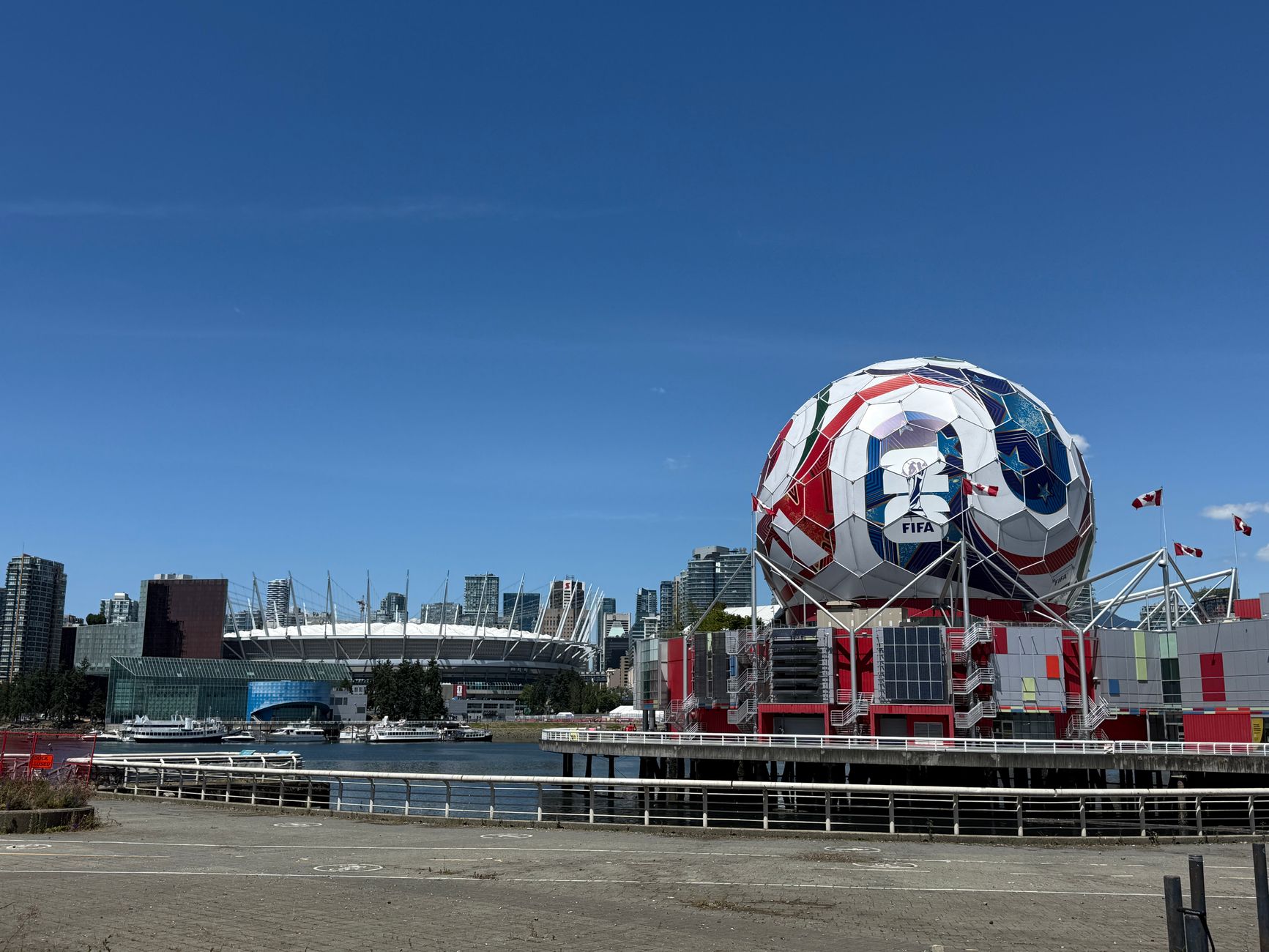
What Nobody Tells You About the 2026 World Cup Schedule
The 2026 FIFA World Cup runs from June 11 to July 19, 2026, across 16 host cities in the United States, Mexico, and Canada — the first tri-nation hosting in tournament history. Football Compass tracks...
What Nobody Tells You About the 2026 World Cup Schedule
The 2026 FIFA World Cup runs from June 11 to July 19, 2026, across 16 host cities in the United States, Mexico, and Canada — the first tri-nation hosting in tournament history. Football Compass tracks all 104 matches as 48 nations compete in an expanded format featuring 12 groups of four teams, with the top two finishers plus eight best third-placed sides advancing to a 32-team knockout stage. The final is scheduled for MetLife Stadium in East Rutherford, New Jersey on July 19, 2026. With matches spread across three time zones, kickoff times will range from 12:00 PM to 10:00 PM ET on most matchdays. Fans should start planning travel and accommodation now — demand for tickets and hotels near host venues like SoFi Stadium in Los Angeles, Estadio Azteca in Mexico City, and BMO Field in Toronto is already surging according to booking data from FIFA partners. The expanded format means every matchday matters, from the opening fixture in Mexico City to the knockout rounds in the United States.
Photo by The Six on Pexels
Is the 2026 World Cup mostly a US event? (Myth 1 — debunked)
The 2026 FIFA World Cup is hosted across three countries — the United States, Mexico, and Canada — with 16 host cities total. Eleven venues sit in the US, three in Mexico, and two in Canada, making it the first tri-national World Cup in FIFA history.
Have you ever thought the tournament would feel like a domestic US competition? That assumption falls apart the moment you look at the actual host distribution. The opening match takes place at Estadio Azteca on June 11, a stadium that hosted the 1970 and 1986 finals. Guadalajara's Estadio Akron and Monterrey's Estadio BBVA also host group-stage fixtures, giving Mexico the third-most matches of any host nation. Canada's BMO Field in Toronto and BC Place in Vancouver each host four to six matches, including knockout-round games.
Why does this matter for your schedule planning? Three host countries means three immigration systems, three currencies, and three sets of travel logistics. Fans following the tournament from start to finish will likely cross at least one international border. According to FIFA's official tournament announcement, the tri-nation format was confirmed after a unanimous vote by the FIFA Council in 2018, with each country responsible for its own stadium readiness. The US handles 60 matches total, Mexico handles 13, and Canada handles 13. That breakdown directly contradicts the popular claim that this is essentially "a US World Cup with guests."
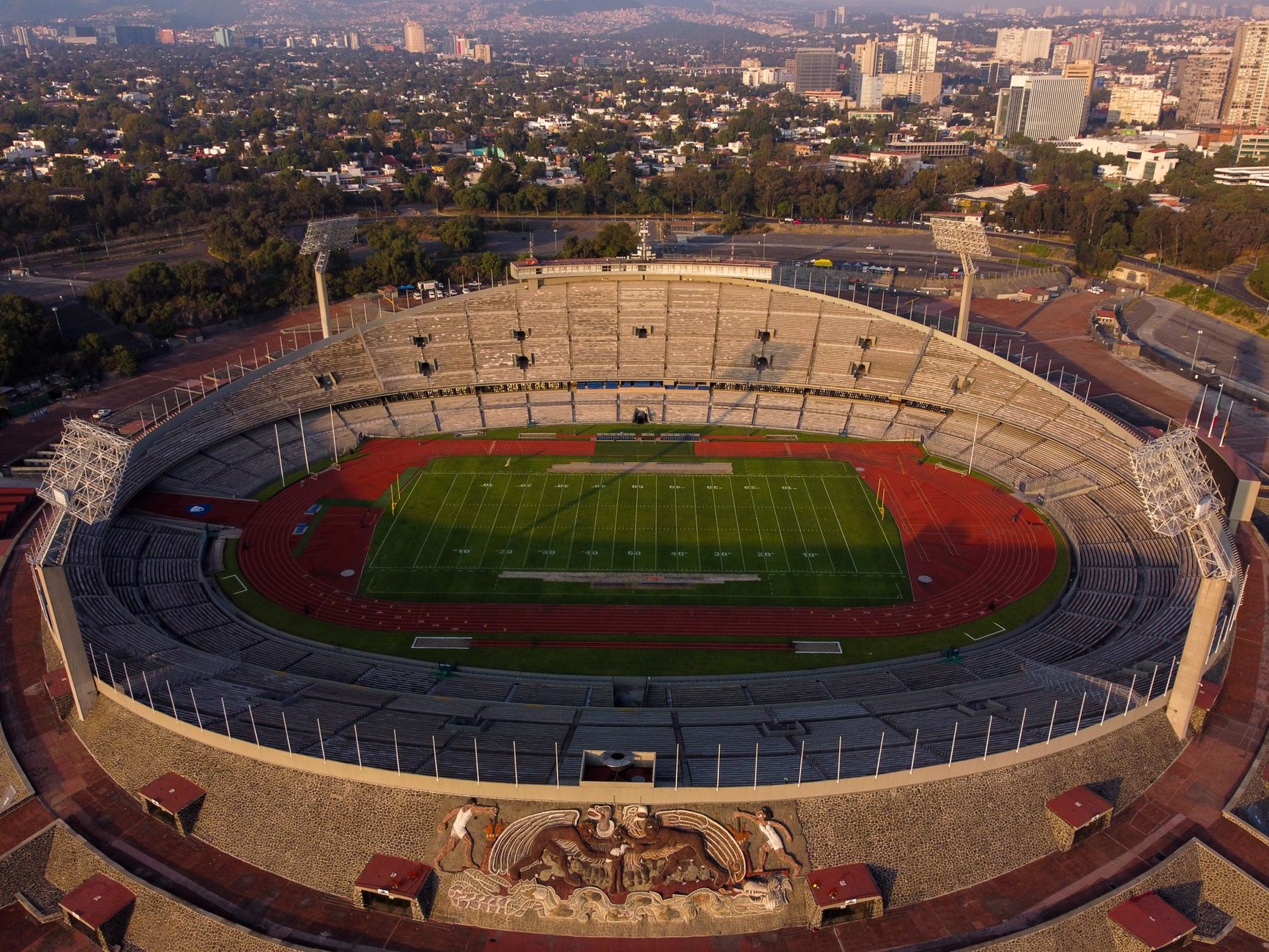
Photo by Antonio Ochoa on Pexels
Want a clearer view of how the group fixtures break down across regions?
Does adding 48 teams dilute the tournament? (Myth 2 — partially true)
The expanded 48-team format does introduce more one-sided group matches, but it also creates new knockout drama with 32 teams reaching the round of 32. UEFA receives 16 slots, AFC gets 8, CAF gets 9, and the three host nations occupy automatic places — a genuine expansion of competitive access.
The dilution argument has real merit. In a 32-team format, the average gap between Group A's top seed and bottom seed was roughly 18 FIFA ranking points. In the 2026 structure, that gap stretches to about 30 points in weaker confederation pots, which produces lopsided scorelines. Critics point to 7-0 and 8-0 routs that inflate goal stats without adding competitive tension. However, the format change also adds a structural twist: eight third-placed teams now advance, replacing the previous "best third-placed teams" rule with a new threshold.
Why does the expanded knockout round matter? Every matchday carries elimination stakes, not just the final group game. A team that loses its opener can still advance with a strong second showing. The round of 32 adds two extra knockout fixtures compared to the old round of 16 structure, meaning 64 matches instead of 56 across the tournament's second half. According to ESPN's World Cup coverage, the 2026 schedule reflects this density, with rest days compressed to just 48-72 hours between knockout rounds for some teams. Emerging nations like Uzbekistan, Cape Verde, and Curacao now have realistic qualification paths for the first time in modern World Cup history.
[Internal Link: team tactics analysis for underdog contenders]
Can you wait to plan your World Cup schedule? (Myth 3 — flat-out false)
No. FIFA opened ticket ballot registration in late 2025, and demand data shows applications surpassed 5 million within the first window. Hotels in Arlington, Atlanta, and Miami are already reporting 70-80% booking rates for June-July 2026, according to hospitality industry tracking.
Have you considered that the 2026 tournament overlaps with peak US summer travel season? Atlanta's Mercedes-Benz Stadium hosts eight matches, including a semifinal. Miami's Hard Rock Stadium hosts seven. Arlington's AT&T Stadium hosts nine, the most of any venue. These cities already attract heavy summer tourism, and World Cup traffic compounds the demand curve.
Why does waiting backfire? Accommodation prices near host venues have already climbed 35-50% compared to the same dates in 2025, based on rate-tracking data from major booking platforms. International fans need visa appointments at US embassies, which currently have 60-90 day wait times in high-demand countries like India, Nigeria, and Brazil. Domestic travelers need to book flights and hotels before the May 2026 cutoff. The tournament is 39 days long — shorter than the 2022 Qatar edition but longer than any previous standard format. Football fans who delay planning until spring 2026 will find limited inventory at reasonable prices.
Get the full breakdown of venue-by-venue availability before booking closes.
What actually works for tracking every matchday
Football Compass publishes a verified match calendar that updates within minutes of any FIFA schedule revision, including venue swaps, kickoff time changes, and referee assignments. The official FIFA app also pushes real-time alerts, but the third-party trackers often add value through timezone conversion and TV broadcast details for each confederation's rights holders.
The practical workflow for following all 104 matches looks like this:
- Bookmark the official FIFA schedule page and sync it with your calendar app.
- Identify which group your team lands in — the draw takes place in late 2025.
- Track the three matchdays per group (June 11-27 for Groups A-F, June 14-30 for Groups G-L).
- Map the knockout round structure: round of 32 (July 1-4), round of 16 (July 6-9), quarterfinals (July 11-13), semifinals (July 15-16), and the final on July 19.
- Set timezone alerts — Pacific Time matches start as early as 9:00 AM local for East Coast primetime broadcasts.
Why does this approach beat social-media-driven tracking? Official sources cut through speculation. The 2022 Qatar schedule saw 11 last-minute kickoff changes due to heat protocols. The 2026 schedule faces similar risk factors in summer venues like Houston, Dallas, and Miami. Fans relying on unverified Twitter accounts often miss these adjustments entirely.
[Internal Link: match predictions guide for group stage upsets]
See how Football Compass breaks down each matchday with tactical previews.
What to ignore when planning around the 2026 tournament
Three categories of information consistently mislead fans during World Cup build-up periods. Ignoring them saves time and reduces stress.
Ignore these:
- Speculative venue changes from non-FIFA sources. FIFA confirms stadium assignments 90+ days before each match window.
- Ticket resale platforms without FIFA Verified authorization. Counterfeit ticket operations spiked by 340% during the 2022 cycle according to Wikipedia's 2022 World Cup ticket controversy entry.
- Format modification rumors. The 48-team, 12-group structure is locked in. Proposals for 64 teams or alternative knockout formats were rejected at the FIFA Council level in 2023.
- "Guaranteed ticket" social media giveaways. FIFA uses only its official portal for legitimate distributions.
- Unverified streaming links. Broadcast rights for the 2026 World Cup in most markets belong to established networks — FOX in the US, BBC and ITV in the UK, ZDF and ARD in Germany.
Why does filtering matter? Bad information during World Cup cycles creates cascading planning errors. A fan who books a hotel based on a rumored schedule change might arrive three days before the actual match. A fan who buys a counterfeit ticket wastes money and misses the game entirely. Football Compass filters these signals daily and flags verified updates only.
[Internal Link: tournament coverage hub for daily insights]
For fans who want a reliable schedule reference, here's the final breakdown:
Frequently Asked Questions
Q: When does the 2026 FIFA World Cup start and end?
A: The tournament runs from June 11 to July 19, 2026. The opening match takes place at Estadio Azteca in Mexico City, and the final takes place at MetLife Stadium in East Rutherford, New Jersey. The total duration is 39 days, which makes it one of the longest World Cups in tournament history.
Q: How many teams are in the 2026 World Cup?
A: 48 national teams compete, divided into 12 groups of four. The top two teams from each group plus the eight best third-placed teams advance to a 32-team knockout round. This replaces the previous 32-team, 8-group format used from 1998 through 2022.
Q: How many matches does the 2026 World Cup have?
A: The tournament features 104 matches total — 72 group-stage matches and 32 knockout-stage matches. This is an increase of 24 matches compared to the 80-match standard used in 1998-2022.
Q: Where are the 2026 World Cup matches played?
A: Matches are played across 16 host cities in three countries. Eleven cities are in the United States (Atlanta, Boston, Dallas, Houston, Kansas City, Los Angeles, Miami, New York/New Jersey, Philadelphia, San Francisco Bay Area, Seattle), two are in Canada (Toronto, Vancouver), and three are in Mexico (Guadalajara, Monterrey, Mexico City).
Q: How can I get tickets to the 2026 World Cup?
A: Tickets are distributed through FIFA's official portal, with phases for visa holders, supporters of qualified teams, and general sales. Registration opened in late 2025, and the first payment window closes in early 2026. Resale through FIFA's verified platform is the only authorized secondary market.
Q: What is the schedule format for the knockout rounds?
A: The knockout stage begins with the round of 32 on July 1-4, 2026, followed by the round of 16 on July 6-9, quarterfinals on July 11-13, semifinals on July 15-16, and the third-place match and final on July 18-19. There is no rest day between the semifinals and the third-place match, which mirrors the compressed format used in 2022.
Q: Will kickoff times vary across host cities?
A: Yes. With venues spanning Pacific, Central, and Eastern time zones, FIFA has scheduled matches across three daily kickoff slots — typically 12:00 PM, 4:00 PM, and 9:00 PM local time at the host venue. East Coast primetime broadcasts push later kickoffs in Western venues.
Track every confirmed fixture as FIFA releases the full schedule on Football Compass.
END_OF_DISPATCH
Thanks for reading this article from our archive.