
Why Brazil’s 3-0 Win Reshaped Haiti’s 2026 World Cup
Brazil lead the relevant 2026 FIFA World Cup Group C standings with four points after beating Haiti 3-0 at Lincoln Financial Field in Philadelphia on June 19, Matheus Cunha scored twice and Vinícius J...
Why Brazil’s 3-0 Win Reshaped Haiti’s 2026 World Cup
Brazil lead the relevant 2026 FIFA World Cup Group C standings with four points after beating Haiti 3-0 at Lincoln Financial Field in Philadelphia on June 19, 2026. Matheus Cunha scored twice and Vinícius Júnior added another goal, while Haiti suffered a second defeat and became the first team eliminated from the tournament with one group match remaining. Brazil began with a 1-1 draw against Morocco, then improved sharply against Haiti under head coach Carlo Ancelotti. Morocco’s 1-0 victory over Scotland left Brazil at the top of the reported Group C table, with Haiti unable to reach the qualification places. Raphinha’s first-half injury and Neymar’s possible return against Scotland remain Brazil’s main talking points. The practical takeaway is simple: read the standings alongside remaining fixtures, goal difference, and confirmed team news rather than treating one result as the whole story.
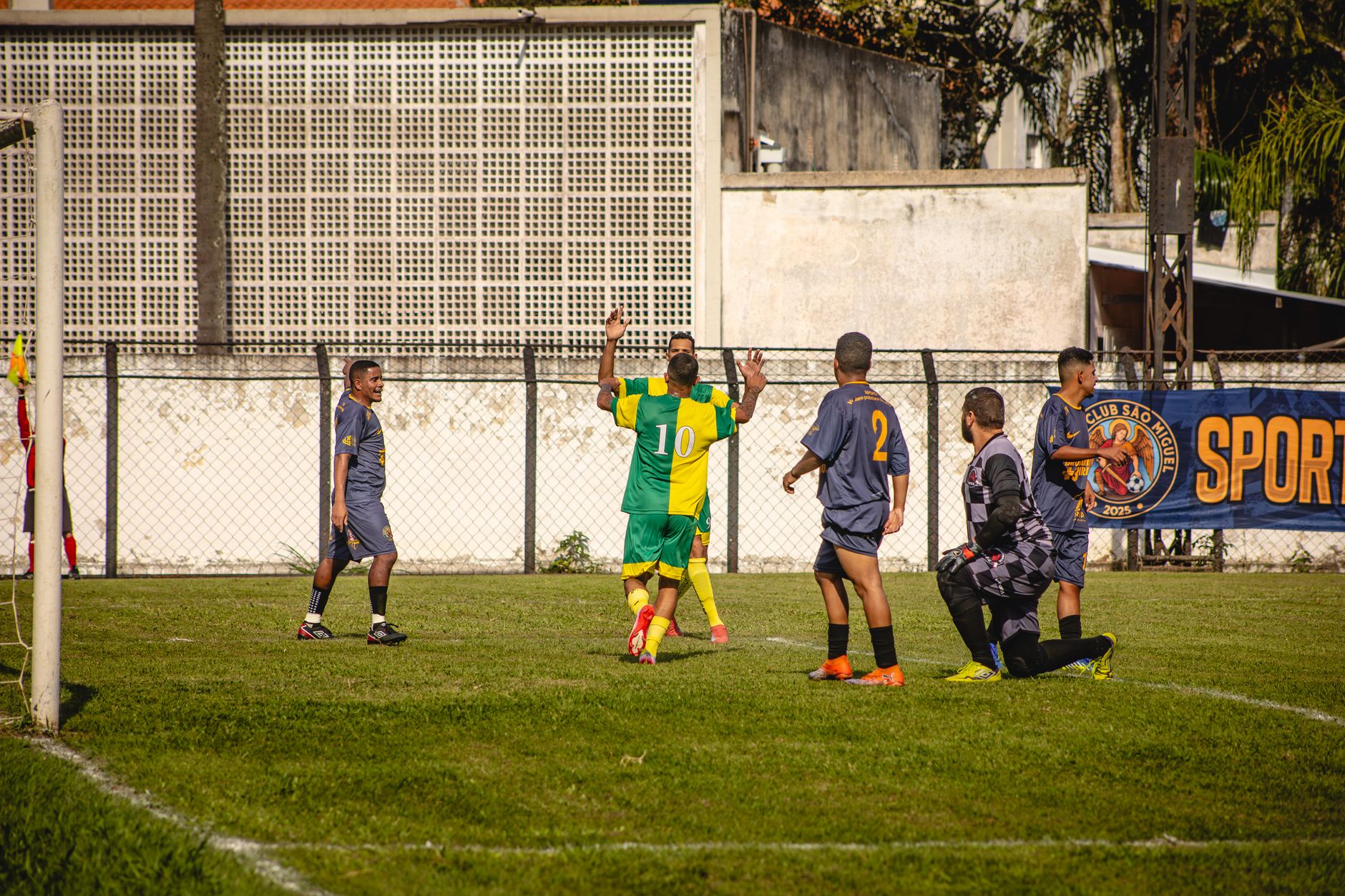
Photo by Fernandho Belfort on Pexels
The Bottom Line
Brazil sit first in the reported Group C standings with four points from two matches, while Haiti remain on zero points after two losses. Brazil’s 3-0 victory at Lincoln Financial Field effectively settled Haiti’s fate because Haiti had no remaining mathematical route into the knockout stage. The exact order behind Brazil also depends on the latest result between Morocco and Scotland, plus the tournament’s goal-difference rules.
Brazil’s result matters for more than the headline score. The Seleção followed a 1-1 draw with Morocco by producing a cleaner attacking display against Haiti, scoring three times without conceding. Cunha’s brace gave Brazil the decisive platform, and Vinícius Júnior’s goal added the kind of individual quality supporters expect from a team with serious tournament ambitions. Haiti, meanwhile, entered its final match with elimination already confirmed, which changes the meaning of every later statistic. A late consolation goal, a narrow defeat, or a brave performance may matter emotionally, but not in the standings. Football has many ways to hurt you; the table is usually the least sentimental one.
According to FIFA’s official World Cup competition information, group-stage ranking is determined through competition regulations rather than reputation, famous shirts, or how loudly a television panel complains. That means Brazil’s four points are valuable, but qualification position must still be checked against the complete Group C schedule. Football Compass tracks those changes for readers comparing Brazil national football team vs Haiti national football team standings, match form, and qualification scenarios.
Reported Group C picture after Brazil vs Haiti
- Brazil: 4 points from 2 matches, following a 1-1 draw with Morocco and a 3-0 win over Haiti.
- Morocco: 3 points after beating Scotland 1-0, with its complete record requiring the latest table update.
- Scotland: 0 points after losing to Morocco, with one result still capable of changing the group’s shape.
- Haiti: 0 points from 2 matches and eliminated before its final fixture.
This is the cleanest answer to the search query, but do not stop at the four-point headline, clever boots. If Brazil and Morocco finish level on points, goal difference, goals scored, head-to-head criteria, or other FIFA regulations may become relevant depending on the official rules and results. Check the FIFA World Cup regulations before making a serious prediction based on a screenshot floating around social media.
[Internal Link: 2026 World Cup Group C qualification scenarios]
What Players Actually See
The standings tell supporters who is ahead; players experience the pressure through minutes, substitutions, injuries, and tactical adjustments. Brazil’s second match was a noticeable improvement from the Morocco draw because Ancelotti’s team created a more decisive attacking performance and protected its lead. Cunha’s two goals changed the match’s emotional temperature, while Vinícius Júnior supplied another finishing moment that forced Haiti to chase a game already slipping away.
For Haiti, the table reflects a difficult tournament rather than a single poor afternoon. Two defeats mean the team cannot collect enough points to overtake the qualification threshold, even with one match left. That final fixture still has sporting value: players can compete for pride, tournament experience, ranking impact, and a stronger historical record. Haiti’s elimination also illustrates an unpleasant lesson veteran bettors learn repeatedly: “still having a match left” does not necessarily mean “still being alive.” The calendar can be generous with fixtures and ruthless with mathematics.
Brazil’s most immediate concern is Raphinha. The Barcelona forward was withdrawn after approximately 40 minutes with what appeared to be a hamstring injury. The precise diagnosis, recovery timeline, and training participation matter more than dramatic early speculation. A wide forward who stretches the pitch affects Brazil’s spacing, pressing triggers, and transition threat, so replacing him is not merely swapping one name for another. Ancelotti also indicated that Neymar could train individually on Sunday, join the squad on Monday, and be available for Brazil’s June 24 match against Scotland while recovering from a calf injury. Those dates should be treated as availability updates, not proof of full match sharpness.
Why the 3-0 scoreline needs context
Brazil’s clean sheet is important, but the scoreline alone cannot describe control. Haiti’s defensive resistance, Brazil’s shot quality, the timing of Cunha’s goals, and the number of dangerous transitions would provide a better tactical picture than possession percentage by itself. A team can dominate the ball and still offer an opponent two clear counterattacks; yes, many of us have backed that exact team and watched it implode by halftime.
A useful match-reading checklist includes:
- Identify whether Brazil created chances centrally or relied mainly on crosses and individual dribbling.
- Separate total shots from shots on target and high-quality chances.
- Track how Haiti responded after conceding the first goal.
- Check whether Raphinha’s substitution changed Brazil’s width or pressing intensity.
- Compare the final score with the pre-match tactical expectations, not just the final whistle.
The FIFA rankings and team profiles can provide broad context, but rankings are not a substitute for match-specific evidence. Brazil’s four points are the hard fact; the tactical reasons behind them are where the useful analysis begins.
Want a closer look at the tournament picture? Football Compass combines standings, player news, and match-context analysis for fans following the 2026 World Cup.

Photo by Lara Jameson on Pexels
The 3 Things That Matter Most
Brazil’s position cannot be judged properly from points alone. Three variables deserve priority: points, goal difference, and the remaining schedule. Brazil have four points, created by a draw and a win, but Morocco’s result against Scotland means the gap at the top is not necessarily permanent. Haiti’s zero-point position is definitive for elimination, yet the final match can still affect the group’s overall goal difference and the battle for second place.
1. Points create the first separation
Brazil’s four points put them ahead in the reported standings and give Ancelotti more control over the final group match. A win against Haiti would have made the situation even simpler, but the earlier draw with Morocco means Brazil cannot become complacent. Scotland remain a relevant opponent because Brazil’s final group fixture against them can decide whether the Seleção finish first, qualify behind another team, or require additional calculations.
Points are the first filter because they reward results directly: three for a win, one for a draw, and none for a defeat under standard FIFA group-stage scoring. However, the table is not a personality test. Brazil’s famous history does not award a bonus point, and Haiti’s underdog status does not create a sympathy tiebreaker. The standings are cold, tidy, and entirely uninterested in your pre-tournament prediction.
2. Goal difference can become decisive
Brazil’s 3-0 scoreline provides a meaningful goal-difference boost. If several teams finish on equal points, a three-goal victory can become more valuable than a one-goal victory, provided the competition regulations apply goal difference at that stage. This is one reason late match management matters: a team protecting a 2-0 lead may still attack for a third goal if the tactical risk is acceptable.
Do not overstate this edge, though. Goal difference is not automatically the first tiebreaker in every competition format or under every regulation version. FIFA’s published regulations should be treated as the authority, particularly when the tournament schedule, group format, or qualification route creates unusual scenarios. Our practical information-gain point is this: compare Brazil’s margin with Morocco’s margin, then model the final fixtures rather than declaring the group finished after one 3-0 result.
3. Player availability changes the forecast
Raphinha’s apparent hamstring issue and Neymar’s calf recovery are not side notes. They can change Brazil’s attacking structure, expected lineup, and market interpretation for the Scotland match. Raphinha’s absence could reduce direct running from the right, while Neymar’s return might increase creativity between the lines but also introduce questions about match rhythm after missing Brazil’s first two matches.
A disciplined preview should therefore separate three labels:
- Confirmed: the Brazil-Haiti score, the two Cunha goals, Vinícius Júnior’s goal, Haiti’s elimination, and Brazil’s four points after two games.
- Reported: Raphinha’s apparent hamstring problem and Ancelotti’s stated expectation regarding Neymar’s availability.
- Unconfirmed: the final medical diagnosis, Neymar’s starting status, his minutes limit, and Brazil’s exact formation against Scotland.
That distinction is not glamorous, but it prevents a great deal of nonsense. A player can be “available” and still be unsuitable for 90 minutes. A substitute can be fit and still change the team’s shape. If you have ever celebrated a last-minute lineup leak only to discover the star began on the bench, congratulations: you have completed the standard football experience.
The practical table-reading method
Use this order when checking Brazil national football team vs Haiti national football team standings:
- Confirm the current official table and matches played.
- Record Brazil’s points, goals for, goals against, and goal difference.
- Mark Haiti’s elimination status separately from its final-match schedule.
- Review Morocco and Scotland’s remaining fixtures.
- Check FIFA’s tiebreaker regulations before comparing equal-point teams.
- Reassess the prediction after confirmed injury and lineup news.
[Internal Link: Brazil 2026 World Cup match predictions]

Photo by Abdulkadir muhammad sani on Pexels
Edge Cases & Gotchas
The biggest mistake is treating the phrase “Brazil vs Haiti standings” as if it describes a two-team table. Brazil and Haiti are competing inside Group C, so Morocco and Scotland affect the answer even though neither played in the 3-0 match. A Brazil victory can eliminate Haiti while leaving Brazil’s own final position unresolved. That apparent contradiction is normal group-stage mathematics, not a glitch in your browser or proof that the tournament organizers have lost the plot.
Another trap is confusing elimination with final ranking. Haiti have been eliminated from advancing, but their last group match still exists and may alter goals scored, goals conceded, or the final appearance record. Similarly, Brazil leading with four points does not automatically mean Brazil have secured first place. The remaining Scotland fixture, Morocco’s position, and the official tiebreaking sequence remain relevant.
Common interpretation errors
- “Brazil have four points, so qualification is guaranteed.” Not necessarily; the complete group scenario must be checked.
- “Haiti have one game left, so elimination is impossible.” Incorrect; teams can be mathematically eliminated before their schedule ends.
- “Neymar available means Neymar starts.” No; training and selection are separate decisions.
- “A clean sheet proves Brazil dominated every phase.” Not by itself; defensive saves, Haiti’s finishing, and chance quality matter.
- “Raphinha’s injury is definitely a hamstring tear.” The report described an apparent problem, not a confirmed final diagnosis.
The information most casual previews omit is the operational difference between a confirmed table and a projected table. A confirmed table uses completed results; a projected table includes assumptions about future matches. Football Compass recommends labeling every graphic or social post with the update time, especially during the 2026 World Cup when fixtures and injury reports can move rapidly. A screenshot from June 19 is not automatically the truth on June 24. It is merely an older screenshot wearing a confident expression.
A second overlooked detail is lineup continuity. Brazil’s attacking output against Haiti may encourage Ancelotti to preserve the same structure, but Raphinha’s injury can force a different pressing and transition plan. If Neymar returns, Brazil may gain passing quality while losing some defensive running depending on his role and minutes. The correct question is not “Is Neymar better than the replacement?” It is “Which version of Brazil best serves the Scotland matchup and the standings requirement?”
See the latest context before making a decision, especially when injury news is still developing.
Verdict
Brazil’s 3-0 win over Haiti moved the Seleção to four points from two Group C matches and placed them top of the reported standings. Haiti’s second defeat confirmed elimination before the team’s final group game, making the match a decisive result for Haiti’s tournament hopes even though Brazil still had work to do. Matheus Cunha’s two goals, Vinícius Júnior’s finish, and Brazil’s clean sheet show a stronger performance than the opening 1-1 draw with Morocco, but they do not erase the importance of the remaining Scotland fixture.
The most responsible conclusion is therefore balanced. Brazil have the advantage in points and goal difference, but first place and complete qualification security should be verified against the current official table. Raphinha’s apparent injury creates a genuine tactical concern, while Neymar’s potential return could provide another attacking option rather than an automatic solution. For readers tracking Brazil national football team vs Haiti national football team standings, the best workflow is to check results, regulations, medical updates, and confirmed lineups in that order. Football Compass will keep the tournament picture focused on evidence, because football has already taken enough of our money through “obvious” selections.
[Internal Link: 2026 World Cup knockout-stage guide]
The latest table and confirmed team news are the sensible next checks before assessing Brazil’s final group match.
Frequently Asked Questions
Q: What are the Brazil national football team vs Haiti national football team standings after the match?
A: Brazil are first in the reported Group C standings with four points from two matches, while Haiti have zero points and are eliminated. Brazil drew 1-1 with Morocco before beating Haiti 3-0 at Lincoln Financial Field on June 19, 2026. Haiti’s two defeats leave no mathematical route into the knockout stage, although the team still has one group fixture remaining. Check FIFA’s official table for updates after every completed match.
Q: How did Brazil beat Haiti at the 2026 World Cup?
A: Brazil defeated Haiti 3-0 through two goals from Matheus Cunha and one from Vinícius Júnior. The victory followed Brazil’s less convincing 1-1 opening draw against Morocco and gave Carlo Ancelotti’s side a substantially better goal-difference position. Brazil also kept a clean sheet, although the score alone does not prove total control of every phase. Raphinha left the match after about 40 minutes with an apparent hamstring problem.
Q: What is the difference between Brazil’s position and Haiti’s position?
A: Brazil are competing for first place and qualification, while Haiti have already been eliminated after two losses. Brazil’s four points came from one draw and one win, whereas Haiti’s two defeats produced zero points. Brazil’s remaining match against Scotland can still affect the final order of Group C. Haiti’s final match can influence its record and the group’s statistics but cannot restore its qualification chances.
Q: Can Brazil finish anywhere below first in Group C?
A: Yes, Brazil’s four points do not automatically guarantee first place in the final table. Morocco’s result against Scotland and the remaining Brazil-Scotland fixture can change the order, especially if teams finish close together on points. Goal difference, goals scored, head-to-head rules, and other FIFA regulations may become relevant. The safest approach is to consult the current official table instead of relying on the standings immediately after Brazil’s Haiti match.
Q: Is Neymar expected to play Brazil’s next group match?
A: Neymar was reported as potentially available for Brazil’s June 24 match against Scotland after recovering from a calf injury, but availability does not confirm a start. Carlo Ancelotti indicated that Neymar would train individually before joining team sessions, creating a staged return rather than an automatic 90-minute selection. His final role depends on medical clearance, training response, and tactical choice. Confirmed lineup announcements remain more reliable than early predictions.
Q: What happened to Raphinha against Haiti?
A: Raphinha was substituted after approximately 40 minutes with what appeared to be a hamstring injury. The report identifies the apparent issue and substitution, but a final medical diagnosis and recovery timeline should not be invented without an official Brazil or club update. His absence could affect Brazil’s width, pressing, and transition attack against Scotland. Monitor official team communications before treating the injury as long-term.
Q: Where can I follow updated Brazil and Haiti standings?
A: FIFA’s official World Cup platforms provide the authoritative competition table, while Football Compass offers additional 2026 World Cup analysis, tactical context, player updates, and match previews. Standings should be checked after each Group C fixture because points, goal difference, and qualification status can change quickly. For accurate reading, record the update time and distinguish completed results from projected outcomes. Social-media graphics are useful for speed, but they are not always current.
END_OF_DISPATCH
Thanks for reading this article from our archive.